
The Right Way And Wrong Way To Monetize A Podcast
You'd be surprised how many podcasters think advertising or charging the guest are good ways to monetize.



I recently was invited onto a podcast with a reasonably decent amount of listeners and viewers.
I got excited at first to do the show until...
They asked me to pay them for the privileged.
No way in hell!
YOU asked me to be on your show. Then you ask to be paid to produce it?
If this is your tactic to monetization of your podcast, you're going at it all wrong.
Here's what you should do:
- Sell your own services.
For consultants, coaches, agencies, freelancers, and other experts, this is often the most profitable approach. A podcast builds TRUST over time, so listeners arrive already understanding how you think.
A show with 500 highly relevant listeners can potentially generate more business than one with 20,000 random listeners.
For example:
Podcast → helpful episode → free consultation → client
One $2,500 client can be worth far more than months of traditional podcast advertising or having your guests pay to be on your show.
- Use the podcast to generate leads.
Give listeners a logical next step: join your email list, download a resource, attend a webinar, book a consultation, or subscribe to a community. There is nothing wrong with a soft ask.
The mistake is simply saying, "Visit my website." Give them a specific reason to do it.
- Find sponsors that genuinely fit the audience.
This is often an overlooked tactic.
Sponsorship works best when the product makes sense for the listener. A business podcast might partner with accounting software, banks, Software as a Service product, coworking companies, business attorneys, or similar services, who work with the same people the host has in their community of listeners.
A smaller niche show can sometimes sell sponsorships based on audience quality rather than CPM.
Instead of:
"We get 2,000 downloads."
Sell:
"We reach 2,000 entrepreneurs and small-business owners every month."
That's a much more compelling proposition.
- Create sponsorship packages instead of selling individual ad spots.
Rather than charging $100 for a 60-second ad, package multiple opportunities together:
Podcast mentions + newsletter placement + social posts + website exposure + sponsored episodes. This is what I do with Entrepreneur's Enigma and it works. The sponsor sees a bigger value add than just a mention on your show.
You're selling access to your community, not sixty seconds of audio.
- Use affiliate marketing for products and services you can vouch for.
Recommend products you actually use and would recommend anyway. Hosting platforms, software, books, equipment, courses, and business tools can all work
Here's one way of monetization that many podcasters don't think of... wait for it.
Your guests.
Yes, your guests. You're NOT charging them to be on your show, your building a relationship with them. They can become, often easily, referral partners and many times clients. This is why you NEVER charge someone to be on your show... EVER!
(Clearly this is a hill I'm going to die on! 😁)
Here's What Not To Do
Besides trying to charge your guests here's other wrong ways to go monetization.
- Chasing advertisers before you have an audience.
If you're getting 200 downloads per episode, traditional CPM advertising probably isn't going to produce meaningful money.
At a hypothetical $25 CPM, 200 downloads generates about $5 per ad placement.
That's a lot of work for five bucks.
- Stuffing the show with ads.
Nothing destroys listener goodwill faster than turning a 30-minute podcast into a commercial break interrupted occasionally by content.
Protect the audience experience first.
- Taking any sponsor willing to pay.
A bad sponsor can cost you something more valuable than the sponsorship fee: credibility.
If you wouldn't recommend the company without getting paid, think very carefully before endorsing it.
- Promoting something different every episode.
Listeners need repetition. If your call-to-action changes constantly—newsletter this week, consulting next week, course the next, affiliate offer after that—people don't know what you want them to do.
Pick one primary CTA and repeat it consistently.
- Making every conversation a sales pitch.
People listen because they're getting entertainment, information, inspiration, or access to interesting people. If every question leads back to your product, they'll notice.
The content earns the right to make the offer.
- Obsessing over download numbers.
Downloads are starting to be phased out with more listeners streaming their favorite shows vs. downloading them.
I'd rather have 1,000 ideal customers listening than 100,000 people who will never buy, refer, subscribe, or engage.
- Waiting until you have a "big enough" audience.
This is almost the opposite mistake from chasing ads too early.
You may not be ready for national advertisers, but you can monetize a small audience immediately through consulting, services, referrals, affiliates, events, and niche sponsorships.
What do you think? Post your thoughts in the comments or hit reply to the email!
– Seth Goldstein
Like The Content?

The Latest From The Entrepreneur's Enigma Podcast
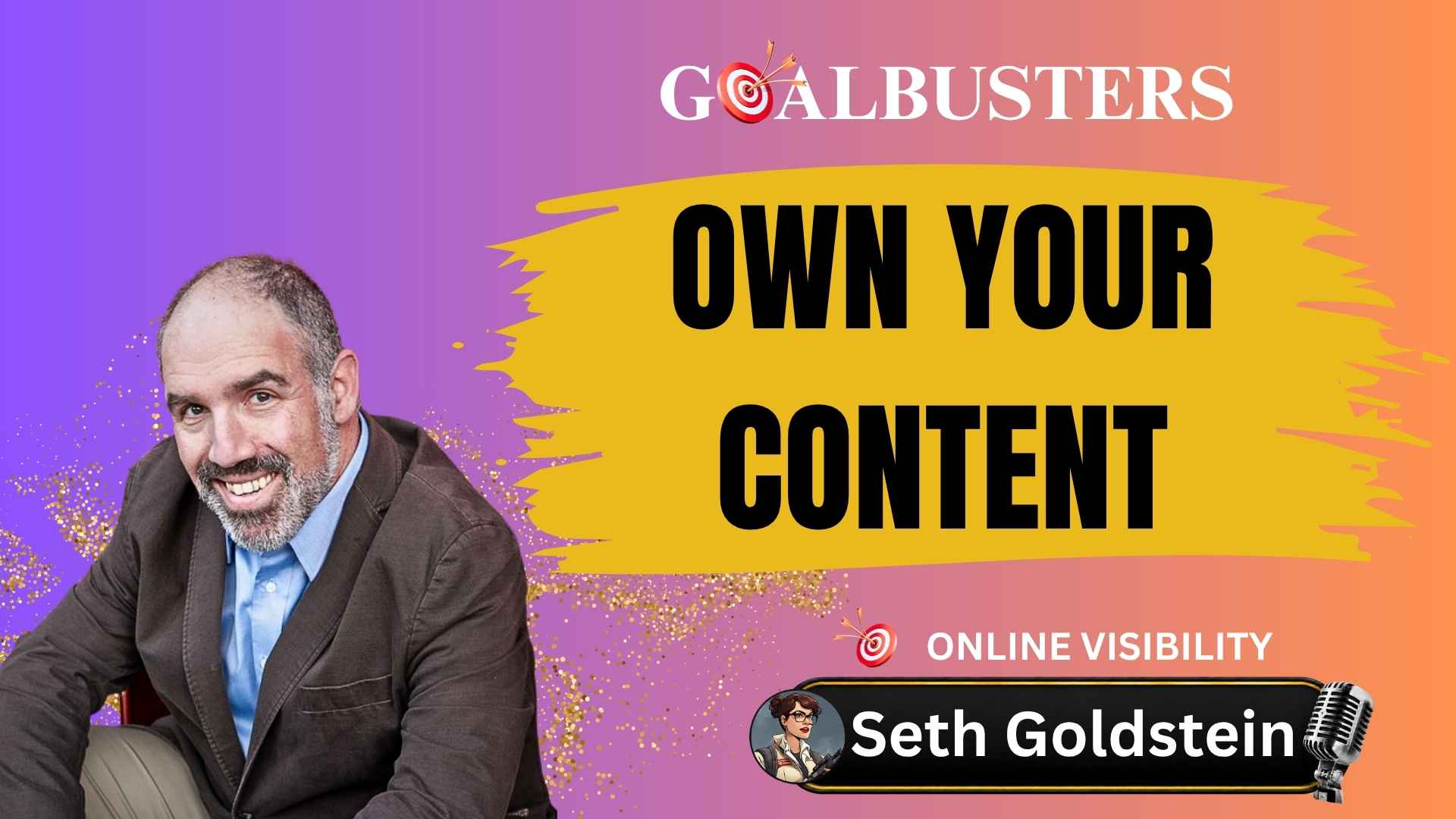
Seth Was On The Goalbusters Podcast!
Sponsor
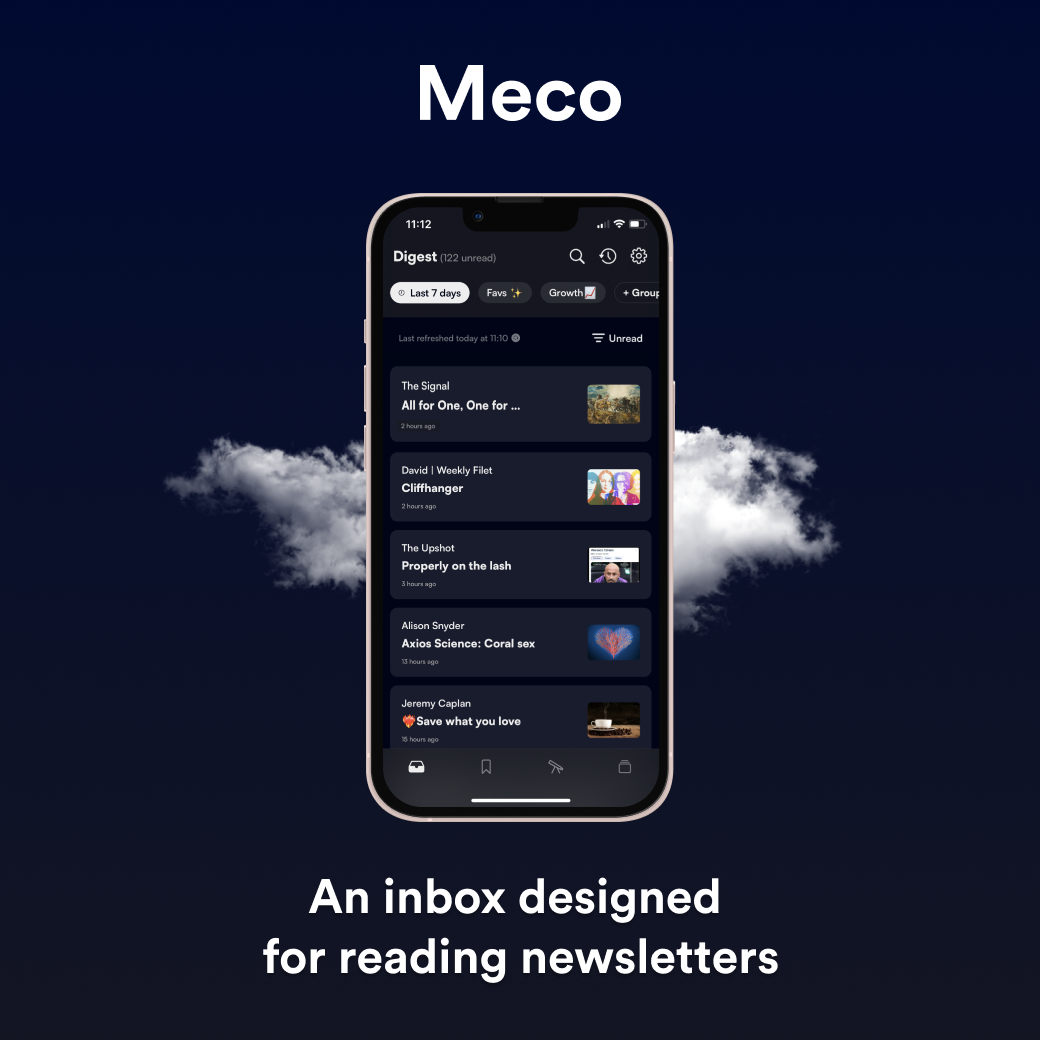
I read so many newsletters that it made my inbox unusable. I tried using a specific email just for newsletters. It was a little better, but not the best experience.
Enter Meco (affiliate), the program makes reading your newsletters easy and fun.
Check it out today! I swear by it.
Web Jawn
Curated by Seth Goldstein
WordCamp US was this past weekend in Phoenix, AZ. There were so many good talks. Emma Young's stood out as especially timely.
 Matt G. Southern
Probably never fully will.
 Sarah Perez
There's AI-assisted authorship and completely written by AI. I don't see an issue with having AI assist with ideas and brainstorming. I do see an issue with just posting what AI gives you and claiming it's your own.
 Russell Brandom
About right for Elon's AI-crap-system.
 Joseph Cox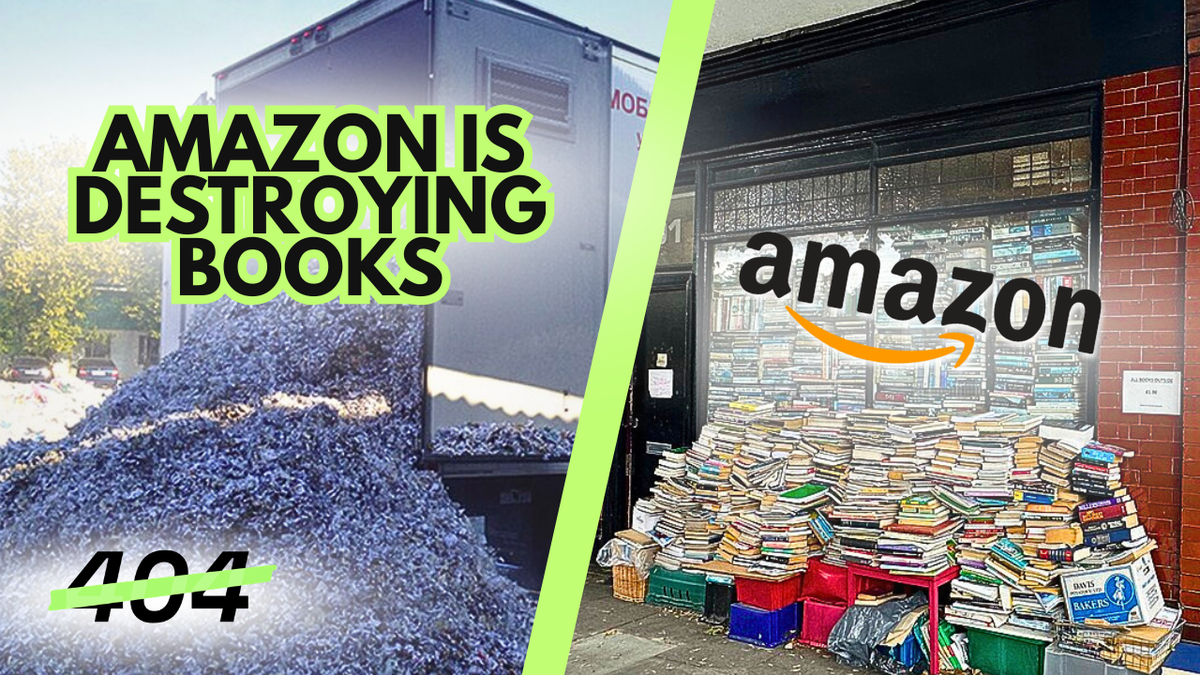
Outrageous. But this is more a copyright issue. If Amazon's AI could read the books and then donate them to people that would be better.
 Emanuel Maiberg
This is investigative journalism done right!
 Ana-Maria Stanciuc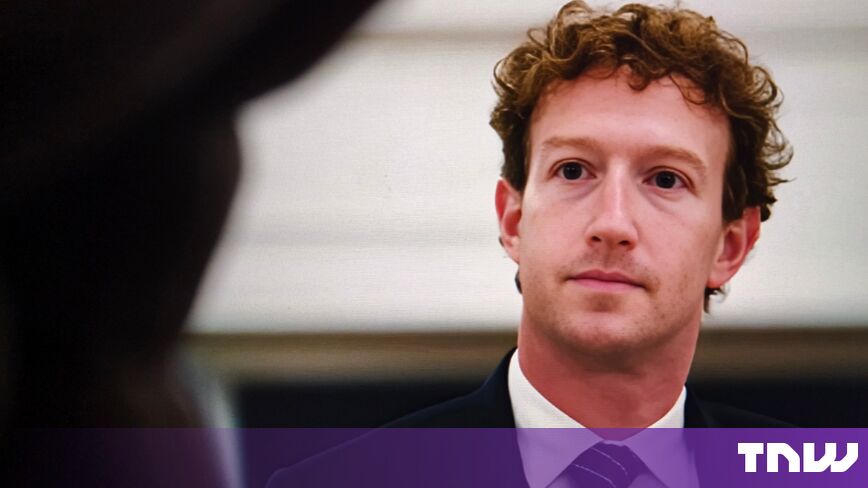
Meta could be in deep trouble and out billions or trillions of dollars.
 Juli Clover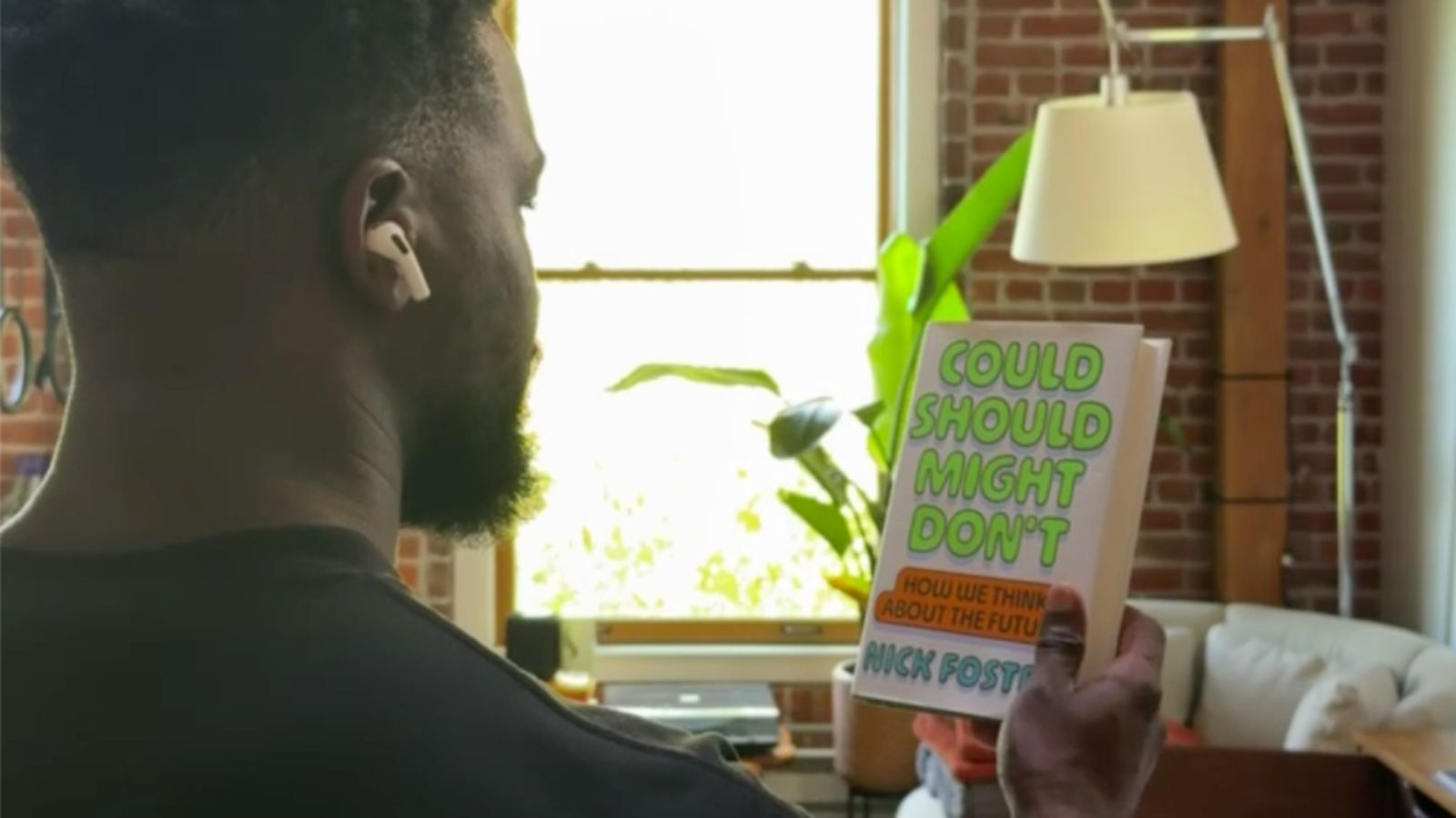
Creep factor? Some, not as much as Meta's glasses, IMO.
 Maxwell Zeff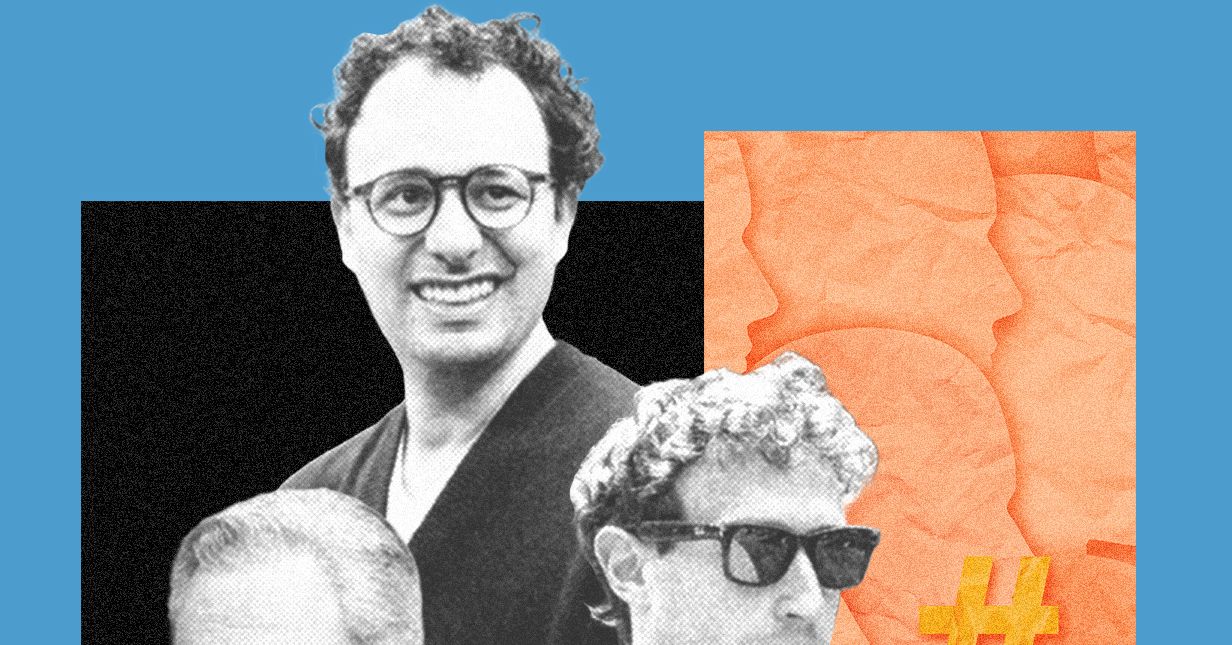
They are just out of touch.
 Marcus Mendes
Good. Spotify... you're next!
 Webb Wright
WTAF! How is this allowed? I wouldn't be okay with this either.
 Ana-Maria Stanciuc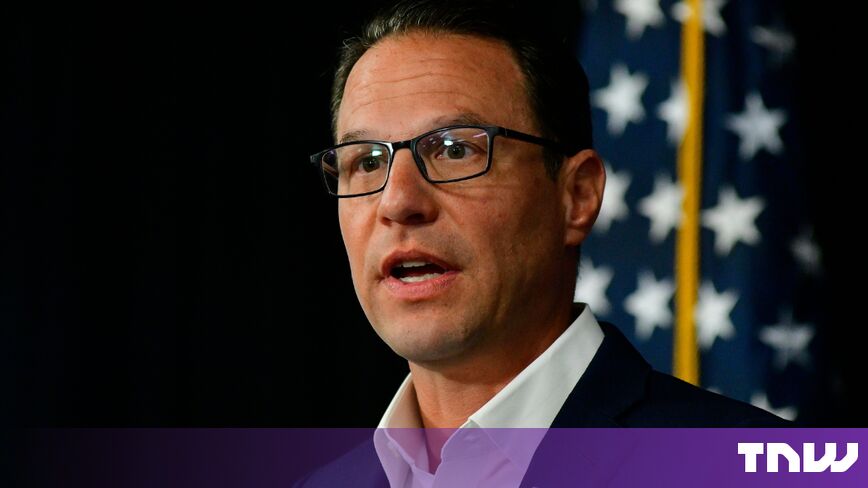
Good on you, Gov. Josh!
 annezazu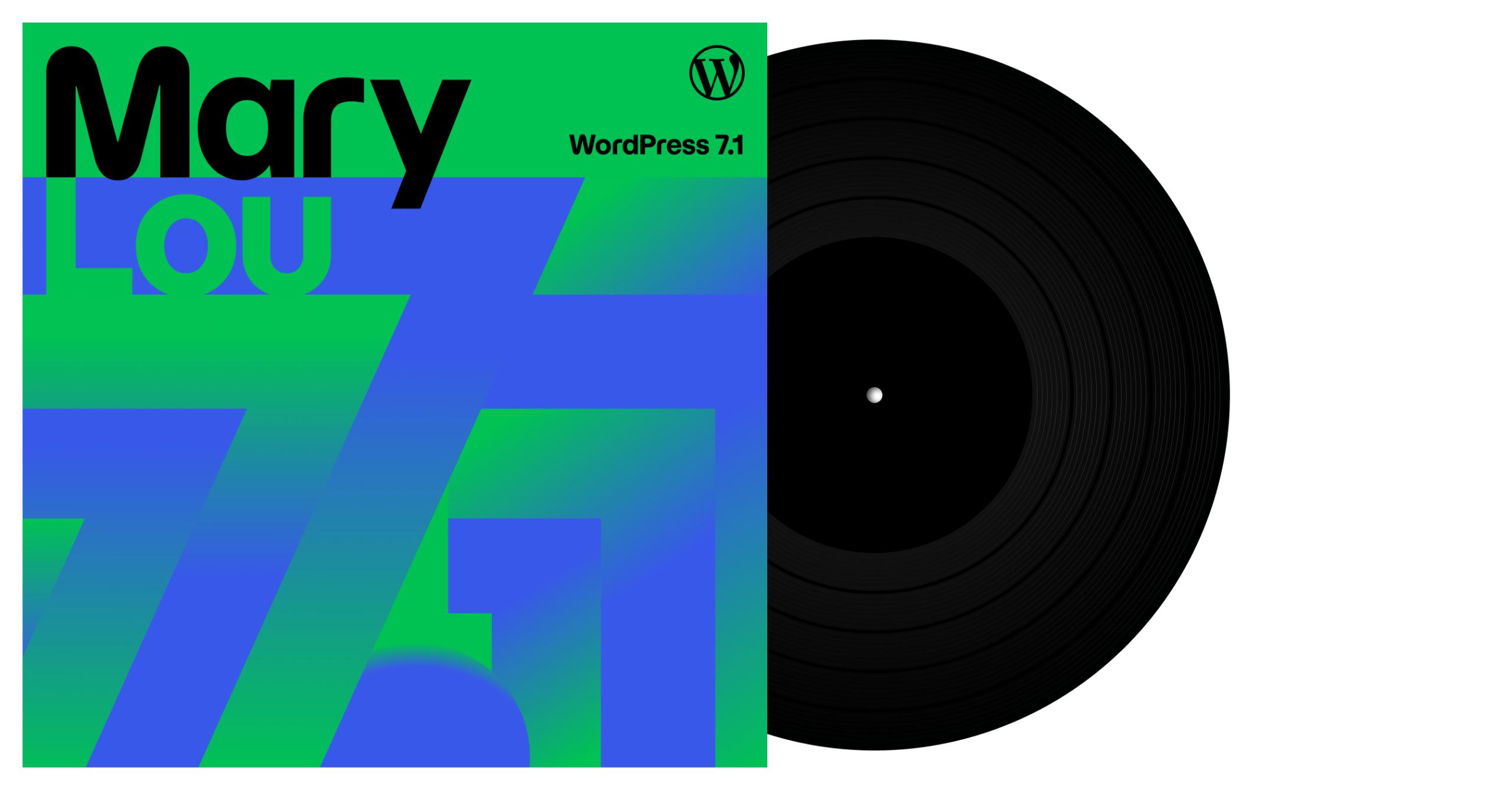
It's a pretty neat update.
 Matt Medeiros
I agree with Matt on this. Spotify and YouTube are big brands with their own interests ahead of those who give them content. Capitalism, baby!
 M.G. Siegler
Interesting thoughts on the new AirPods with cameras in them from M.G. Siegler.
 Eric Karkovack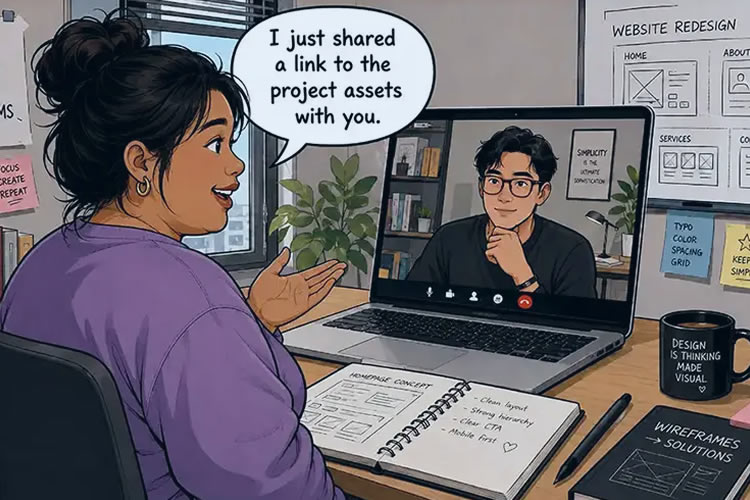
Some good tips here from an experienced developer and freelancer.
Sponsor

Plaud, the world’s No.1 AI note-taking brand, exists to help people capture, extract, and utilize what you say, hear, see, and think.
Web Finds & Funnies
Curated by Brian Griffiths

This looks neat and very handy!

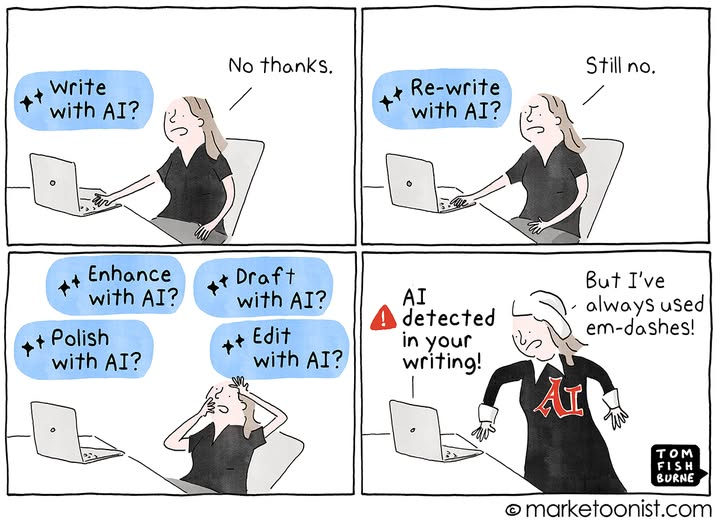
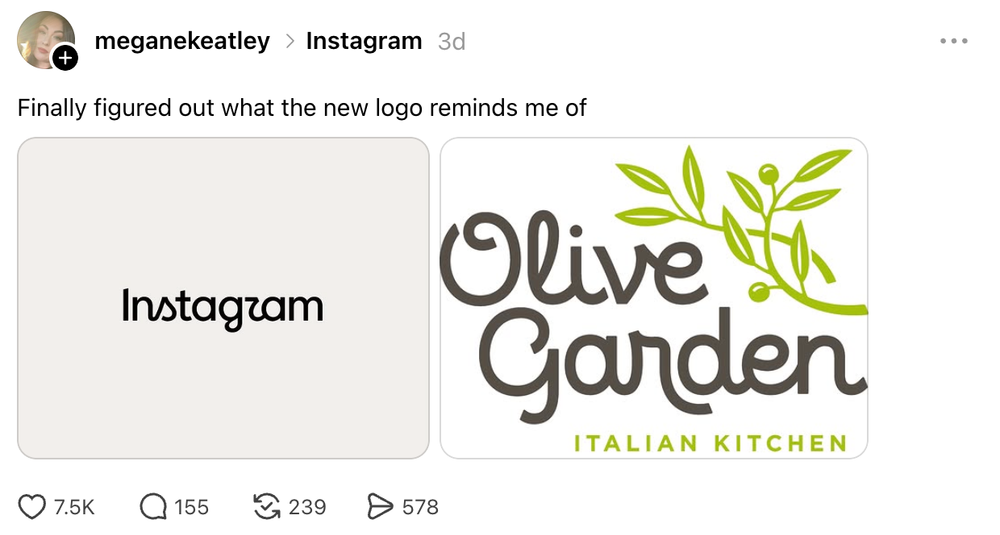
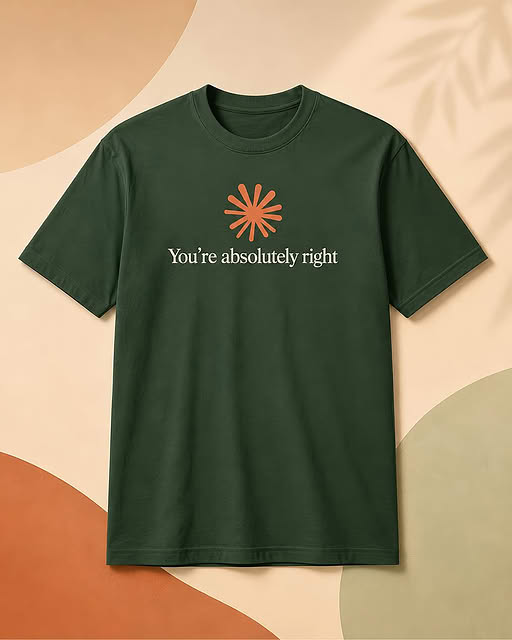
 Scott Johnson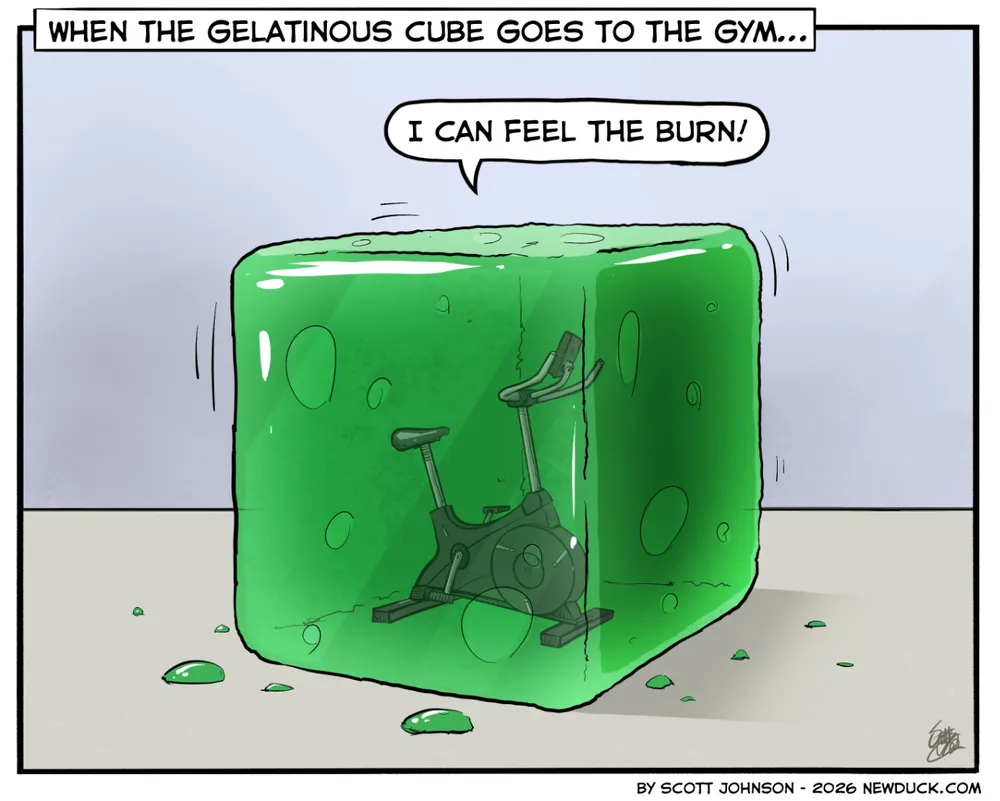
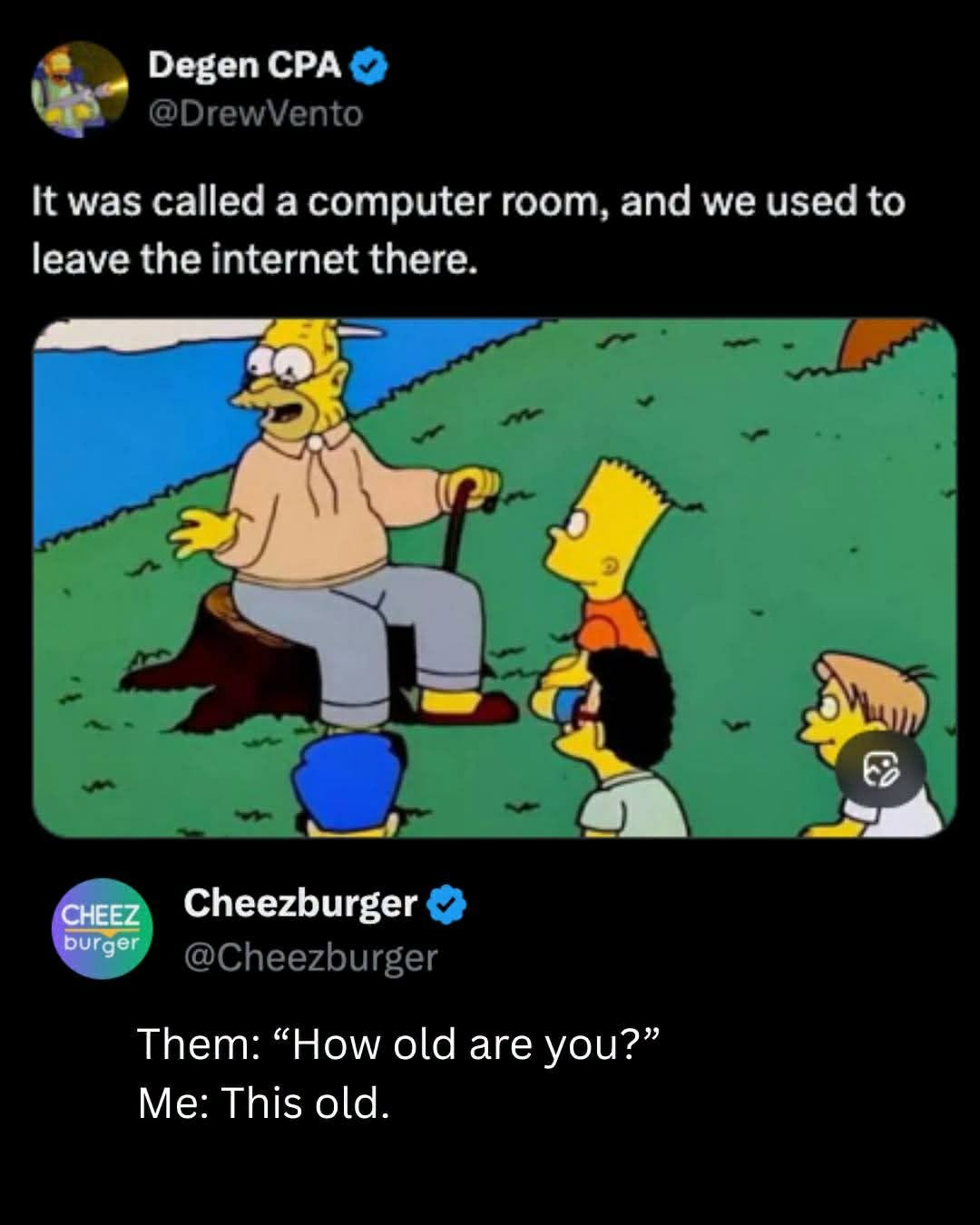
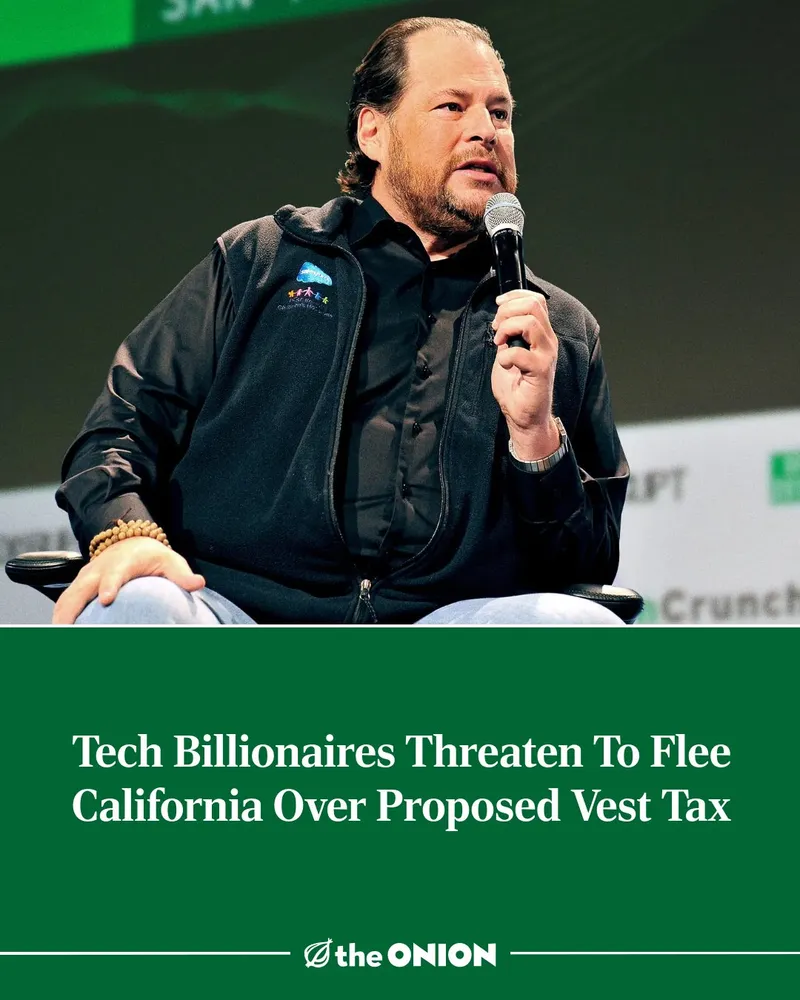
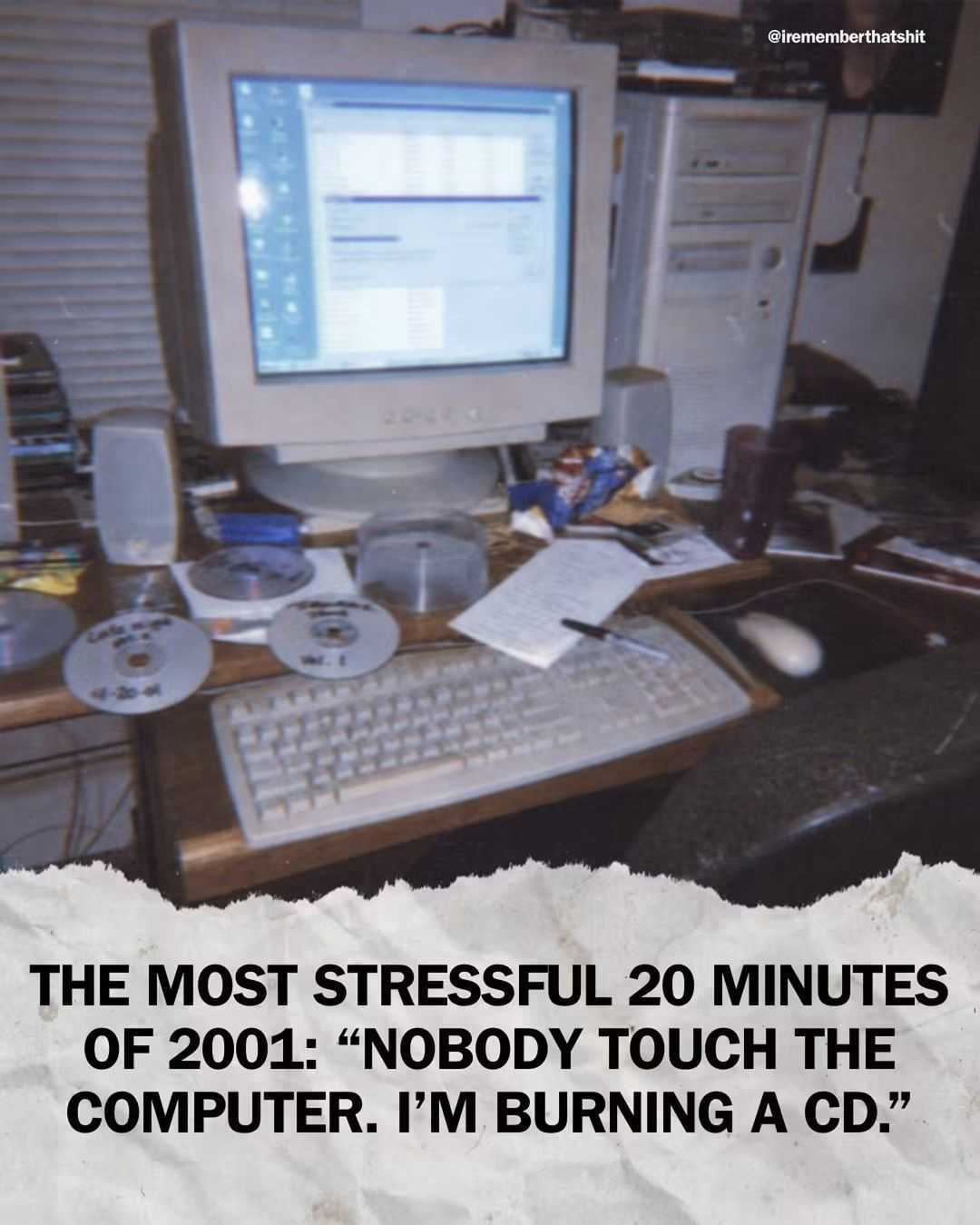
AI Tool That Seth Loves

I've collaborated with Lovable on a bunch of projects and it's pretty nifty. – Seth Goldstein
That's It For This Week! Keep Rocking It!
-Seth + Brian
Thanks for reading! If you're liking the newsletter and the content that I curate, please consider signing up for a pay-what-you-want subscription to help me continue to write this weekly newsletter.


